Herts Ability is Proud to Celebrate Rare Disease Day 2026

On 28 February 2026, Herts Ability proudly stands with the 300 million people worldwide living with a rare disease, along with their families, carers, and communities.
Rare Disease Day 2026 is more than a date in the calendar - it is a global movement to raise awareness, improve access to diagnosis and treatment, and champion inclusion for people affected by rare conditions.
At Herts Ability, supporting people with disabilities is at the heart of everything we do. That includes individuals and families navigating the complex and often challenging journey of rare disease.
Why Rare Disease Day Matters
Rare diseases may be individually uncommon, but together they affect millions across the globe.
Rare Diseases - By the Numbers
- 300 million people worldwide are living with a rare disease
- 3.5% - 5.9% of the global population is affected
- Over 6,000 identified rare diseases
- 72% are genetic in origin
- Nearly 1 in 5 cancers is classified as rare
Despite these significant figures, rare diseases often remain misunderstood, underdiagnosed, and underfunded.
The Universal Challenges of Living with a Rare Disease
Living with a rare condition brings unique and often lifelong challenges. While each disease is different, many individuals face similar barriers.
1️⃣ Delayed or Misdiagnosis
Because many rare diseases share common symptoms with more familiar conditions, diagnosis can take years.
- Limited scientific knowledge
- Lack of reliable information
- Symptoms that vary widely between patients
- Conditions that evolve over time
This “diagnostic odyssey” can be emotionally exhausting and may delay access to appropriate care and treatment.
2️⃣ Limited Treatment Options
For many rare diseases, there are:
- Few specialised treatment centres
- Limited approved therapies
- Gaps in research funding
The need for high-quality, specialised healthcare can create inequalities and significant barriers to access - particularly for families without strong local support systems.
3️⃣ Inequality in Access to Care
Access to healthcare, social support, and disability services can vary dramatically depending on location and resources. International collaboration in research is vital to:
- Connect researchers and clinicians
- Share data and insights
- Accelerate diagnosis and treatment development
- Improve long-term care
Rare Disease Day advocates for equitable healthcare systems so that no one is left behind.
Characteristics of Rare Diseases
Rare diseases are often:
- Chronic and long-term
- Progressive or evolving
- Genetic in origin (72%)
- Complex and multi-systemic
Symptoms may differ not only between diseases but even among individuals with the same condition. This diversity makes awareness and education essential.
Claire Shaw’s Journey with Guillain-Barré Syndrome
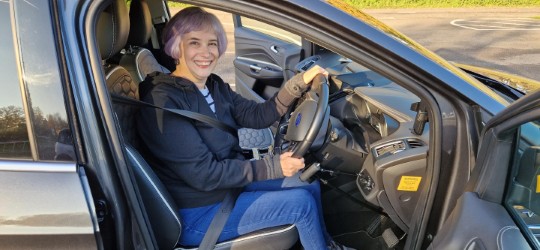
Recently, Herts Ability shared the inspiring story of Claire Shaw, who lives with Guillain-Barré Syndrome (GBS) - a rare neurological condition where the immune system attacks the nerves.
Claire’s journey highlights:
- The unpredictability of rare conditions
- The importance of accessibility and rehabilitation
- The power of independence and community support
Her experience reminds us that while rare diseases can be life-changing, the right support, inclusive environments, and empowerment can make all the difference.
At Herts Ability, we are committed to ensuring individuals like Claire have the tools, confidence, and opportunities to live full and independent lives.
How Rare Disease Day Makes a Difference
Since its launch in 2008 - when events were held in just 18 countries - Rare Disease Day has grown into a global movement observed in over 100 countries worldwide.
The long-term goals include:
- Equitable access to diagnosis
- Improved treatment availability
- Universal health coverage (UHC)
- Stronger healthcare systems
- Recognition of rare diseases as a human rights priority
Through international advocacy aligned with the United Nations’ Sustainable Development Goals (SDGs), Rare Disease Day pushes for healthcare systems that work for everyone.
Awareness leads to action. Action leads to change.
How You Can Get Involved in Rare Disease Day 2026
Everyone can play a part in raising awareness and supporting the rare disease community.
💡 Join the Global Chain of Lights
At 7 PM on 28 February, light up your home in the Rare Disease Day colours:
- Pink
- Green
- Blue
- Purple
Share your illuminated home on social media and be part of a worldwide symbol of solidarity.
📢 Share Your Story
Use the hashtag #RareDiseaseDay to:
- Raise awareness
- Educate others
- Inspire hope
- Advocate for change
Whether you live with a rare disease, care for someone who does, or simply want to show support - your voice matters.
Herts Ability’s Commitment
At Herts Ability, we are dedicated to:
- Promoting accessibility and independence
- Supporting individuals with disabilities
- Advocating for inclusive communities
- Raising awareness of rare diseases
- Ensuring people are empowered to live confidently and independently
We believe that every individual deserves opportunity, dignity, and support - regardless of how rare their condition may be.
Together, We Can Make a Difference!
Rare Disease Day 2026 reminds us that while each rare disease affects a small number of people, together they form a global community of 300 million voices.
By raising awareness, supporting research, advocating for equitable healthcare, and building inclusive communities, we can create meaningful change.
Let’s stand together. Let’s light up the world. Let’s ensure no one is left behind!