Dementia Action Week 2026: Why a Timely Dementia Diagnosis Matters for Driving Safety and Independence
At Herts Ability, we are proud to stand alongside Alzheimer’s Society in supporting Dementia Action Week 2026, taking place from 18-24 May 2026. This year’s powerful campaign theme, “Diagnosis is Vital,” highlights the importance of early dementia diagnosis and the life-changing support it can unlock.
A timely dementia diagnosis can help individuals and families access medical treatment, emotional support, future planning guidance, and practical advice - including support around driving and road safety.
For many people, driving represents freedom, independence, confidence, and connection to everyday life. When dementia becomes part of someone’s life, conversations about driving can become emotional and difficult for everyone involved.
At Herts Ability, we understand these challenges and are here to provide compassionate, professional support every step of the way.
What Is Dementia Action Week?
Dementia Action Week is a national awareness campaign led by Alzheimer’s Society that brings communities, organisations, healthcare professionals, carers, and families together to take action on dementia.
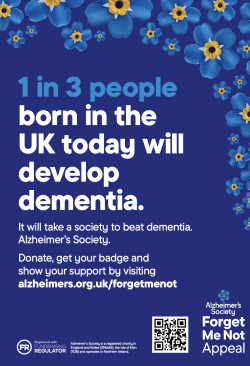
This year’s campaign also supports the Forget Me Not Appeal, encouraging people across the UK to wear the Forget Me Not badge as a symbol of hope, awareness, support, and unity.
Behind every badge is a personal story. Dementia affects individuals, families, friends, carers, workplaces, and communities.
Dementia in the UK: Key Statistics
- Dementia is the UK’s biggest killer
- Every 3 minutes, someone in the UK develops dementia
- Nearly 1 million people in the UK are currently living with dementia
- This number is projected to rise to 1.7 million by 2050
- 1 in 3 people born in the UK today will develop dementia in their lifetime
- Around 16,000 people under 65 are living with young-onset dementia
- 1 in 3 people over 65 will die from dementia
These figures show why education, awareness, early diagnosis, and community support are more important than ever.
Driving with Dementia: Understanding the Challenges
A dementia diagnosis does not always mean someone must immediately stop driving.
In the early or mild stages of dementia, many people may still be able to drive safely because driving is a highly practised and well-learned skill. However, dementia is a progressive condition that affects cognitive abilities over time.
Driving safely requires a complex combination of mental and physical skills, including:
- Attention and concentration
- Judgement of distance and space
- Problem solving
- Decision making
- Reaction times
- Multi-tasking
- Memory and navigation skills
As dementia progresses, these skills can gradually change.
One of the most important aspects of safe driving is recognising when it may no longer be safe to continue driving. Sometimes the person living with dementia may not notice these changes themselves, which is why support from family members, carers, healthcare professionals, and specialist driving assessors is so important.
Signs Dementia May Be Affecting Driving Ability
Every individual experiences dementia differently, but there are common signs that driving ability may be changing.
Family members, friends, or neighbours may notice:
- Driving unusually slowly or excessively fast
- Hesitation at junctions or roundabouts
- Difficulty staying in the correct road position
- Driving too close to parked cars
- Forgetting familiar routes
- Increased reliance on passengers for directions
- Delayed reactions to hazards
- Confusion with road signs or markings
- Increased dents, scratches, or near misses
- More frequent vehicle repairs
- Blaming other road users for incidents
These changes can happen gradually, making them difficult to recognise at first.
Having supportive and honest conversations early can help families make safer decisions before serious incidents occur.
Continuing to Drive Safely with Dementia
For people in the early stages of dementia who are still driving safely, there are ways to help maintain driving skills and confidence.
Tips for Safer Driving
- Drive regularly to maintain physical and mental driving skills
- Practise familiar routes while occasionally varying journeys to keep cognitive skills active
- Pay close attention to road signs and road markings
- Avoid becoming overly dependent on passengers for directions
- Leave extra time and space when driving
- Avoid driving when tired, stressed, or in poor weather conditions
- Regularly review driving ability with healthcare professionals or family members
Staying mentally engaged while driving can help maintain awareness and confidence for longer.
Herts Ability Fitness to Drive Assessments
At Herts Ability, we provide specialist Fitness to Drive Assessments for individuals living with dementia and other medical conditions that may affect driving.
Our assessments are carried out by:
- Qualified Occupational Therapists
- DVSA Approved Driving Instructors
The purpose of the assessment is not to judge or criticise. Instead, we aim to help individuals and families make informed, safe decisions while treating everyone with dignity, compassion, and respect.
We know these conversations can be emotional and life-changing.
Our supportive environment helps reduce anxiety and provides clear guidance for individuals, carers, and families.
What Happens During a Driving Assessment?
A Fitness to Drive Assessment may include:
- A discussion about medical history and driving experience
- Cognitive and physical assessments
- Vision and reaction testing
- An on-road driving assessment
- Professional recommendations and guidance
Anyone with a full UK driving licence can self-refer for an assessment.
Supporting Families Through Difficult Decisions
At Herts Ability, we understand that dementia affects entire families, not just the individual receiving a diagnosis.
One family member recently shared their experience after bringing their 87-year-old father for a driving assessment following his dementia diagnosis.
A Family Testimonial: Saimah’s Story
“As my father’s memory and alertness declined, we became increasingly concerned about his ability to drive safely. After a DVLA referral, we turned to Herts Ability for a professional assessment.”
“From the moment we arrived, the team showed genuine compassion and professionalism. The receptionist’s warm welcome helped ease my father’s anxiety. Despite the challenges of the cognitive tests, the assessors treated him with dignity and care throughout.”
“Ultimately, the recommendation was for my father to stop driving - a difficult but necessary decision. Knowing it was the right step brings us peace of mind. I truly recommend Herts Ability for anyone facing similar concerns.”
Stories like this remind us how important empathy and understanding are when helping families navigate major life decisions.
Raising Awareness Through the Virtual Dementia Bus Experience
During Dementia Action Week, Herts Ability is also reflecting on a powerful community awareness event held at The Howard Centre in Welwyn Garden City.
The event featured the highly impactful Virtual Dementia Bus experience - an immersive simulation designed to help people understand the sensory and cognitive challenges faced by individuals living with dementia.
Developed 26 years ago by PK Beville in the USA, the Virtual Dementia Bus is widely used by:
- NHS organisations
- Care homes
- Community groups
- Healthcare professionals
- Local authorities
The experience helps participants gain deeper empathy and understanding of dementia by simulating the confusion, sensory overload, and challenges people may experience daily.
Herts Ability is proud to support initiatives that educate communities, reduce stigma, and encourage compassionate support for those living with dementia.
This free community event welcomes:
- Members of the public
- Healthcare professionals
- Local organisations
- Councillors
- Carers and families
Further future event details will be shared on our social media channels.
Why Early Diagnosis Matters
A timely diagnosis can help people:
- Access treatment and support earlier
- Plan for future care and finances
- Discuss driving and mobility safely
- Maintain independence for as long as possible
- Connect with support groups and local services
- Reduce uncertainty and anxiety for families
Too many people delay seeking help because they fear the diagnosis itself.
However, getting support early can make a significant difference to quality of life and long-term wellbeing.
How You Can Support Dementia Action Week
There are many ways to get involved and support Dementia Action Week 2026:
Wear a Forget Me Not Badge
Show your support for people affected by dementia and help raise awareness.
Become a Dementia Friend
Learn more about dementia and how to support those living with the condition.
Attend Local Community Events
Take part in memory cafés, awareness sessions, tea dances, and educational events.
Start Conversations
Talking openly about dementia helps challenge stigma and encourages people to seek support earlier.
Support Loved Ones
Simple acts of patience, understanding, and compassion can make a huge difference.
Worried About a Loved One’s Driving?
If you are concerned about someone’s ability to drive safely due to dementia or Alzheimer’s disease, Herts Ability is here to help.
Our experienced team can guide you through:
- Fitness to Drive Assessments
- DVLA-related concerns
- Safe driving advice
- Alternative mobility options
- Family support and guidance
We understand these conversations can be sensitive and emotional, and we are committed to supporting families with empathy and professionalism.
Contact Herts Ability
If you would like advice or support regarding driving with dementia, please contact our team.
Call Us
01707 324 581
Email Us
driving@hertsability.org.uk
Together, we can help individuals living with dementia maintain their independence safely while promoting safer roads for everyone!